
Bipolar Disorder & Addiction Treatment Centers
Bipolar disorder and substance use disorders require specialized integrated treatment. Connect with centers offering mood stabilization, medication management, and comprehensive dual diagnosis care.
Found 343 rehab centers specializing in bipolar disorder across the United States.
Need Help Finding the Right Treatment Center?
Speak with a compassionate specialist now - 100% free & confidential
Showing 3 of 343 bipolar disorder rehab centers
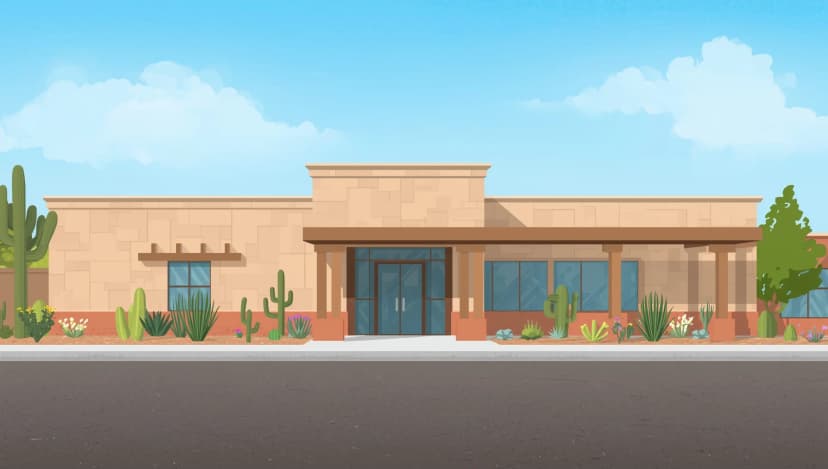
Community Health Associates, located in Yuma, AZ, is dedicated to providing a wide array of substance use treatment services for both adults and children who are facing serious mental health challenges. They offer intensive outpatient and outpatient programs that include treatments such as methadone, buprenorphine, and naltrexone, allowing them to meet a variety of needs. What sets this center apart is their focus on 12-step facilitation, anger management, and brief intervention techniques. They understand that everyone’s journey is unique, which is why they have developed special programs tailored specifically for adolescents, as well as adult men and women. Community Health Associates proudly serves adults and seniors of all genders, ensuring that each individual receives the quality care and support they need in their recovery from substance use and co-occurring mental health issues.
Hualapai Health Education and Wellness, located in picturesque Peach Springs, AZ, offers a holistic approach to substance use treatment for both adults and children facing co-occurring mental health challenges. The facility provides a range of outpatient services, including methadone and buprenorphine treatments. Their expertise shines through in programs that feature 12-step facilitation, anger management, and brief intervention techniques. Hualapai Health Education and Wellness understands that every individual has unique needs, which is why they’ve designed specialized programs tailored for adolescents, adult men, and women. With a strong emphasis on personalized care, they are dedicated to meeting the specific requirements of each client, making them an excellent choice for anyone in the region seeking high-quality rehabilitation services.
Southeastern Arizona Behavioral Health, situated in Sierra Vista, AZ, is dedicated to providing comprehensive treatment for adults and children dealing with substance use and co-occurring disorders. The center offers a range of programs, including intensive outpatient, outpatient, and regular outpatient options. Here, we employ various evidence-based approaches such as anger management, brief interventions, and cognitive behavioral therapy. Specializing in clients who face both mental health and substance use challenges, our facility proudly serves adults and seniors of all genders. At Southeastern Arizona Behavioral Health, we prioritize quality care and are committed to helping individuals achieve lasting recovery and improved emotional well-being.
Frequently Asked Questions
About Bipolar Disorder Treatment
Bipolar disorder and substance use disorders co-occur at alarmingly high rates, with 40-60% of individuals with bipolar disorder also experiencing addiction. The combination creates unique challenges: mood episodes can trigger substance use, while substances destabilize mood and interfere with treatment. Integrated care addressing both conditions simultaneously is essential for stability and recovery.
Understanding Bipolar Disorder
Bipolar disorder involves extreme mood swings between manic/hypomanic episodes (elevated mood, increased energy, impulsivity, reduced need for sleep) and depressive episodes (low mood, lack of energy, hopelessness, difficulty functioning). These mood shifts significantly impact judgment, behavior, and vulnerability to substance use. During mania, increased impulsivity and risk-taking often lead to substance use, while depressive episodes may prompt self-medication attempts.
Why Treatment Must Be Integrated
Treating only one condition while ignoring the other typically fails. Substances destabilize mood, trigger episodes, reduce medication effectiveness, and worsen bipolar symptoms. Conversely, untreated bipolar disorder makes maintaining sobriety nearly impossible. Integrated programs with psychiatrists, addiction specialists, and therapists working together provide coordinated care recognizing the complex interaction between these conditions.
Medication Management
Mood stabilization is foundational to recovery. Medications include:
- Mood Stabilizers: Lithium, valproate, lamotrigine regulate mood swings
- Atypical Antipsychotics: Quetiapine, aripiprazole, olanzapine for mania and maintenance
- Antidepressants: Sometimes used cautiously with mood stabilizers for bipolar depression
These medications are not addictive and do not interfere with addiction recovery—they support it by stabilizing mood, improving judgment, reducing impulsivity, and decreasing self-medication urges.
Comprehensive Treatment Components
Quality dual diagnosis programs provide:
- Psychiatric Services: Regular medication management and monitoring
- Individual Therapy: Addresses both conditions and underlying issues
- Group Therapy: Peer support from others with co-occurring disorders
- Family Education: Helping loved ones understand both conditions
- Sleep Regulation: Critical for mood stability and recovery
- Stress Management: Preventing triggers for both mood episodes and substance use
- Relapse Prevention: For both bipolar episodes and addiction
Level of Care Considerations
Residential treatment is often recommended for bipolar disorder and addiction, especially during mood episodes, after hospitalization, with severe addiction, or when outpatient treatment hasn't succeeded. The structured environment provides medication management, 24/7 monitoring, intensive therapy, and support for both mood stabilization and addiction recovery.
Resources for bipolar disorder and addiction: